Personal Training and Health Coaching: An Integrated Approach!

A Comprehensive Approach to
low back pain, discomfort and injury recovery
Functional fitness is more than just movement. It’s about empowering you to overcome pain, discomfort, and recover from injuries in your low back, while enhancing your daily life through targeted, holistic strategies. This program is designed to help you address your unique and specific causes for your low back issues, and create a path forward that allows you something you may not have thought possible, eliminate your low back pain and drastically reduce the chances of recurrence of your back pain. By integrating comprehensive assessments, individualized planning, health coaching, and progressive training, this approach aims to deliver lasting results while supporting your unique journey to optimal wellness
Comprehensive Assessment
Physical Assessment
Physical Assessment
A comprehensive physical assessment forms the first cornerstone foundation for effective program design. It enables us to identify movement limitations, muscular imbalances, and other key factors impacting your functional health.
Identifying physical imbalances is essential in establishing not only what issues are causing your pain/injury challenges, but to better understand how and why your pain/injury issues have manifested.
This valuable information helps develop a plan to help you overcome your pain and injury issues one and for all!

· Core Function: I evaluate stability, activation, and balance of the core musculature using key assessments designed to uncover areas of weakness and/or imbalances with the core.
· Postural Alignment: I assess static and dynamic posture from multiple angles, checking for deviations (including forward head, rounded shoulders, anterior pelvic tilt) that may contribute to low back pain or dysfunction.
· Movement Capability: I use functional movement screens and basic mobility tests to detect any movement restrictions, asymmetries, or compensations.
· Muscular Restrictions: I identify areas of tightness, weakness, or muscular asymmetries through manual muscle testing, flexibility checks, and comparative range of motion tests.

Lifestyle Assessment
Lifestyle Assessment
An in-depth nutrition and lifestyle assessment is the other cornerstone foundation for effective program design necessary to solve your low back pain permanently! Understanding your nutritional and daily habits is essential for addressing underlying contributors to your low back pain.
· Nutrition: Review dietary intake, meal timing, hydration status, dietary inflammatory causing foods and any restrictive patterns that may impact your body’s ability to protect your low back, as well as, healing and recovery from low back pain and injury.
· Sleep Quality and Quantity: Discover sleep disparities and potential causes for these sleep disruptions that impede quality sleep which is crucial for tissue repair and rebuilding of stressed areas of the body.
· Stress Levels: Evaluate perceived stress, combined total stress, and sources of chronic tension that often aggravates pain and injured areas which hinders progress.
The assessment process develops a complete picture of your starting point, path forward to overcome your low back pain. This establishes a clear starting point and the best strategies to proceed forward with the quickest recovery from low back pain and injury while building your robust health for now and well into the future.
All Programs Integrate Health Coaching and Personal Training
Individualized Program Design
Individualized Program Design
Each plan is uniquely tailored, integrating findings from the physical and lifestyle assessments. Begin by setting realistic, meaningful goals that align with your priorities, such as reducing pain, regaining mobility, returning to daily activities, or increasing energy.
1. Prioritize Needs: Target your most limiting factors first, whether postural correction, mobility, or lifestyle modification.
2. Customize Interventions: Select appropriate exercises, coaching strategies, and progressions based on assessment results and your readiness.
3. Set Milestones: Establish short- and long-term goals with measurable outcomes to track improvement and maintain motivation.


Health Coaching Integration
Health Coaching Integration
Effective functional fitness requires more than exercise: it demands a whole-person approach. Integrate health coaching to address the following:
· Nutrition: Educate you on balanced eating, mindful choices, and fueling for recovery. Offer simple, actionable strategies tailored to your lifestyle.
· Sleep: Provide guidance on creating consistent routines, optimizing sleep environments, and overcoming barriers to restorative rest.
· Stress Management: Teach practical techniques such as breathwork, mindfulness, and time management to reduce the impact of stress on the body and mind.
Integrative Movement Components
Integrative Movement Components
The exercise portion of the program addresses both immediate needs and long-term resilience. Key components include:
· Corrective Exercise: Target muscular imbalances, movement compensations, and postural faults with focused mobility drills, activation exercises, and gentle stretches.
· Core Function and Balance: Incorporate dynamic stability, anti-rotation, and balance work to restore foundational control and prevent re-injury.
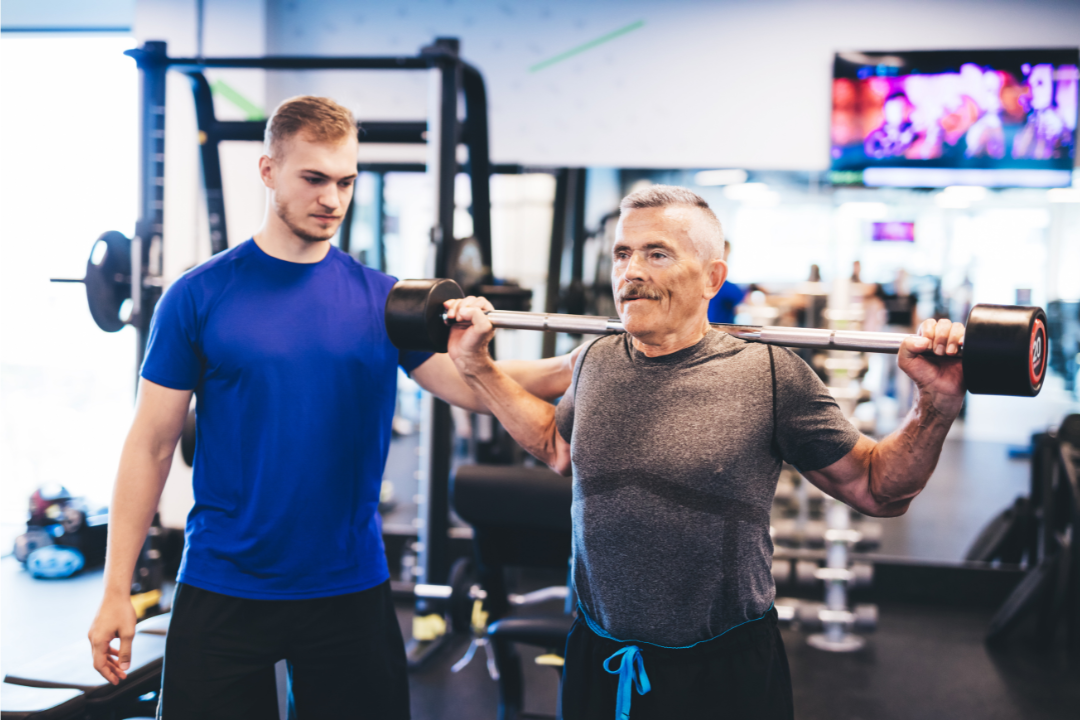
· Postural Correction: Use of exercises that reinforce optimal alignment, such as targeting stretching combined with targeting strengthening on key areas that improve and restore postural balance.
· Strength Training: Progress from non-spinal loading exercise as needed, into bodyweight and resistance exercises to more advanced loading as tolerated, always emphasizing quality of movement over quantity.

Implementation Strategy
Implementation Strategy
Meet you where you are: both physically and emotionally. Use a stepwise approach that adapts to your pace and comfort level.
1. Gradual Progression: Start with basic movements and lifestyle shifts, layering complexity as confidence and capability grow.
2. Frequent Check-Ins: Maintain open communication, encourage feedback, and adjust the plan as needed to address setbacks or new goals.
3. Support and Motivation: Celebrate small wins, provide resources, and foster a sense of empowerment throughout the process.
Start Your Journey Today
Pain and limitation are not life sentences. With the right guidance, you can move, feel, and live better than ever. I look forward to joining you on this path to lasting health, strength, and fulfillment.
Inside One on One Fitness
All services I offer take place inside the One on One Fitness gym located at:
990 Riley St. Folsom CA