Before you buy another pair of “more comfortable” shoes, learn why your pain may be coming from how your body moves and how Aaron Robinet can help you find a smarter path forward.
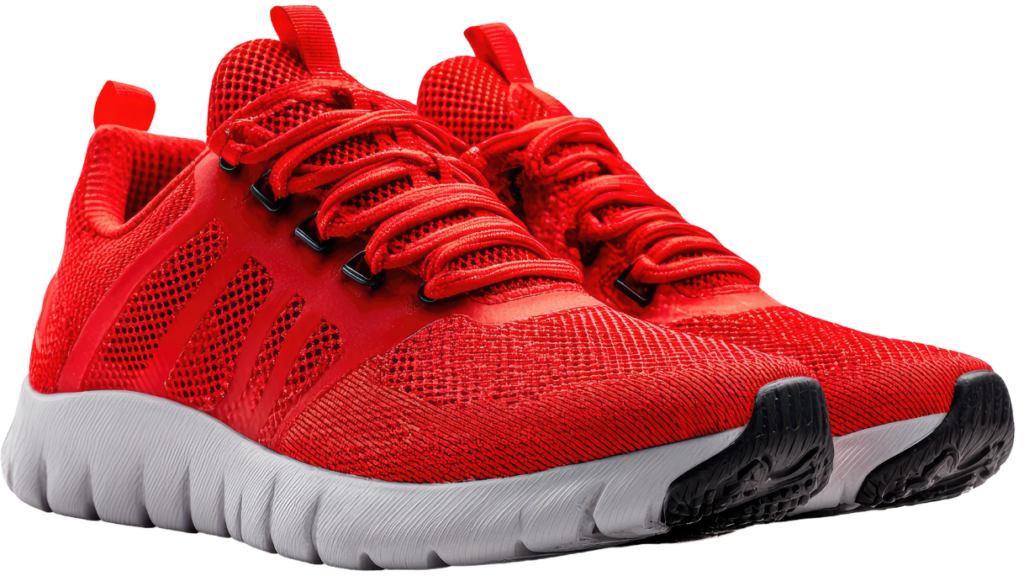
Thick sole shoes are everywhere right now, and it is easy to understand why. They promise instant comfort, softer steps, and relief from the pressure of hard floors, sidewalks, and long days on your feet. At first, that extra cushion can feel like the perfect solution. But if your feet, knees, hips, or low back still hurt, the shoe may not be solving the real problem. In some cases, it may even be hiding the warning signs your body is trying to send. That is where a better movement plan can make all the difference.
The Hidden Tradeoff Behind Extra Cushion
The main concern with thick sole shoes is that they can reduce your connection to the ground. Your feet are designed to send your brain useful information about what you are stepping on. That feedback helps your body adjust when the surface changes, such as when you step on a slope, curb, crack, or uneven patch of ground. When a thick, soft sole blocks some of that feedback, your body may have less information to work with. Research on footwear and movement has shown that shoe design can affect sensory input, balance, loading patterns, and how stable a shoe feels. If you have been chasing comfort with different shoes but still feel pain or instability, the issue may not be the shoe alone. It may be how your body is moving in the shoe.
If every walking surface were flat and predictable, this might not matter much. But real life is not that controlled. Sidewalks shift. Parking lots crack. Curbs vary in height. Trails, lawns, and gravel can all be uneven. In those moments, your feet need to notice small changes quickly so the rest of your body can respond. When thick cushioning dulls that information, you may not realize how your foot is landing until your body is already trying to catch up. That can increase the chance of a stumble, loss of balance, or fall.
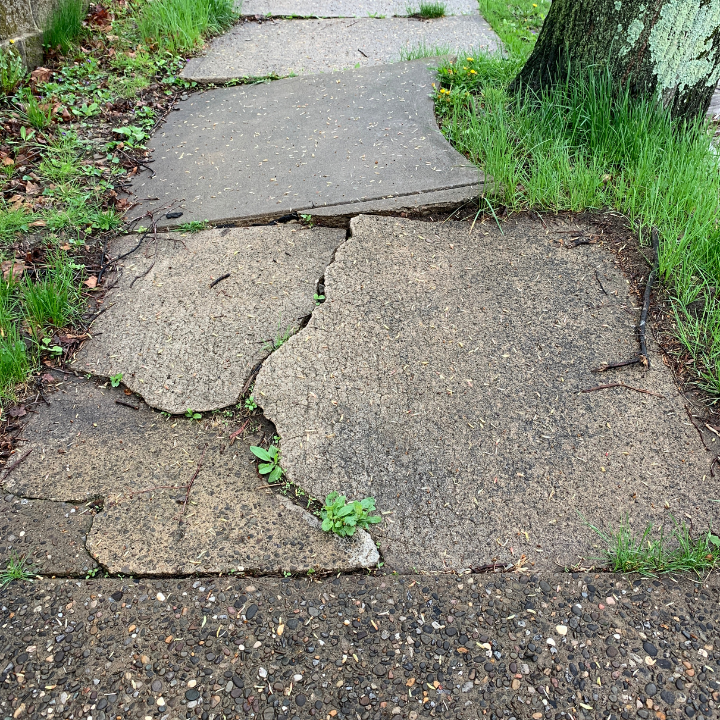
Even if you do not fall, your body may still have to make a quick correction. That sudden correction can strain muscles, tendons, joints, or the low back. You might avoid hitting the ground but still end up with irritation in the foot, ankle, knee, hip, or back. The key issue is not just whether you fall. It is whether your body gets enough feedback early enough to move well. A trained movement professional can help identify where your body is compensating and what needs to improve so you are not relying on shoes to do all the work.
Why Your Feet, Hips, and Low Back Are More Connected Than You Think
Your feet are packed with nerves that help your brain understand where your body is in space. This is called proprioception. When your feet can feel the ground well, your body can make small adjustments through the feet, ankles, hips, and core. Those adjustments help you stay balanced and move more efficiently. When thick soles reduce some of that feedback, your body may have to work harder to stay coordinated. This does not mean every cushioned shoe is bad, but it does mean a shoe that feels good at first may not always be the best long-term choice for movement quality or pain relief. Studies comparing minimalist and supportive footwear suggest that shoe construction can change sensory feedback, walking mechanics, stability, and muscle activity. Aaron Robinet can help you look past the shoe label and better understand how your feet, hips, core, and low back are working together.
How to Move Toward Better Support Without Guessing
This does not mean you should throw away your shoes or start walking barefoot everywhere tomorrow. Moving from thick, supportive shoes to very minimal shoes too quickly can create a new problem. If your feet and lower legs have spent years relying on extra support and cushioning, they may need time to build strength and tolerance. A sudden switch can overload tissues before they are ready.
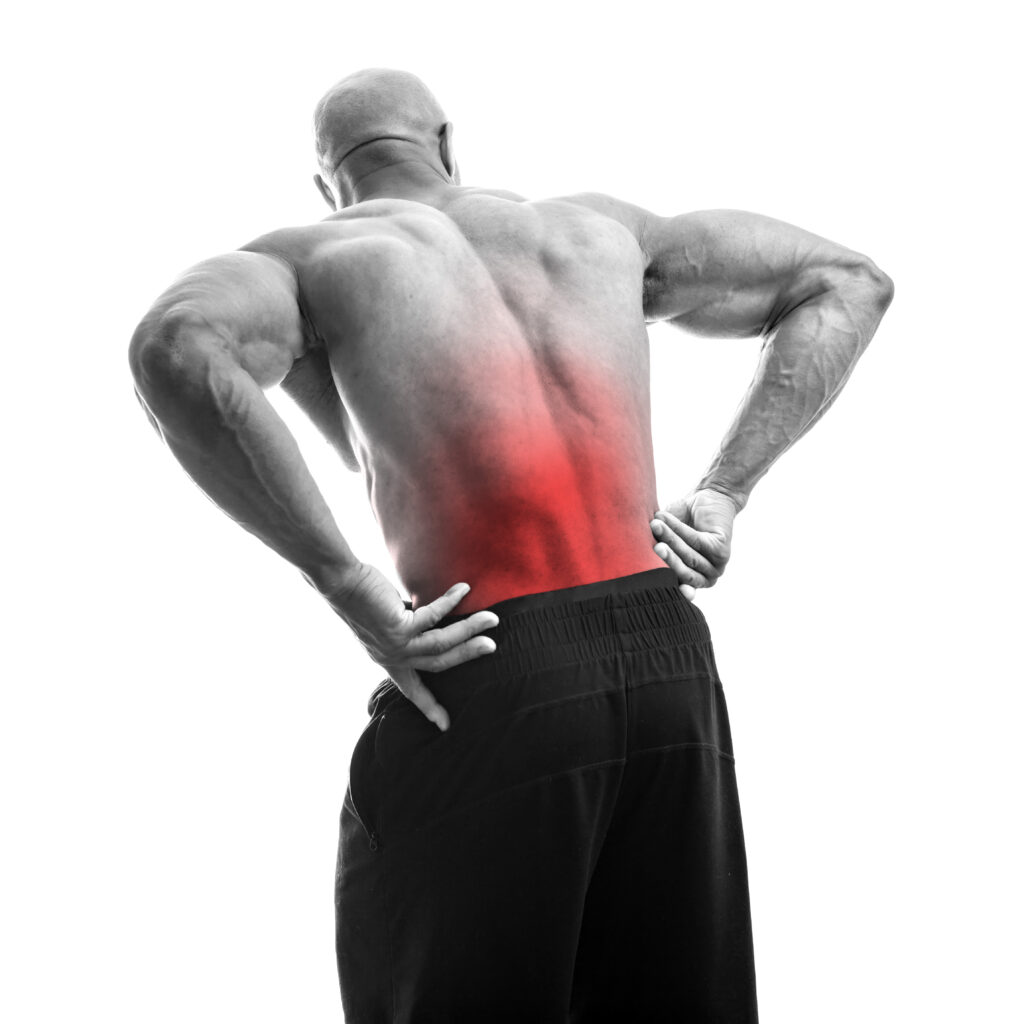
Many people choose thick shoes because something already hurts. The discomfort may be related to limited ankle or hip mobility, weak foot muscles, poor movement habits, core weakness, or tight muscles. In those cases, more cushion may reduce discomfort temporarily, but it may not solve the real issue. A better approach is to improve how the body moves through corrective exercise, strengthening, and targeted stretching. With the right guidance, you can stop guessing and start building a plan that supports the way your body actually needs to move.
If you want to change shoes, transition gradually. Some people do best by first moving to a shoe with a little less cushioning. Others may try a minimalist-style shoe right away but only for short periods at first. The best starting point depends on your current fitness level, activity level, injury history, and how your body responds.
If you plan to run in minimalist-style shoes, take even more time. Start with a small amount of your usual distance and build slowly over several months. Your muscles, ligaments, tendons, and skin all need time to adapt. Research on minimalist footwear shows possible benefits for running economy, foot strength, and sensory awareness, but it also warns that doing too much too soon can increase the risk of overuse problems.
Before You Buy Another Pair, Find Out What Your Body Really Needs
If you are dealing with foot pain, back pain, balance issues, or recurring movement problems, the solution is rarely as simple as buying a thicker shoe. What feels good for five minutes in a store may not be what your body needs long term. The smarter step is to find out why your body is asking for more cushion in the first place.
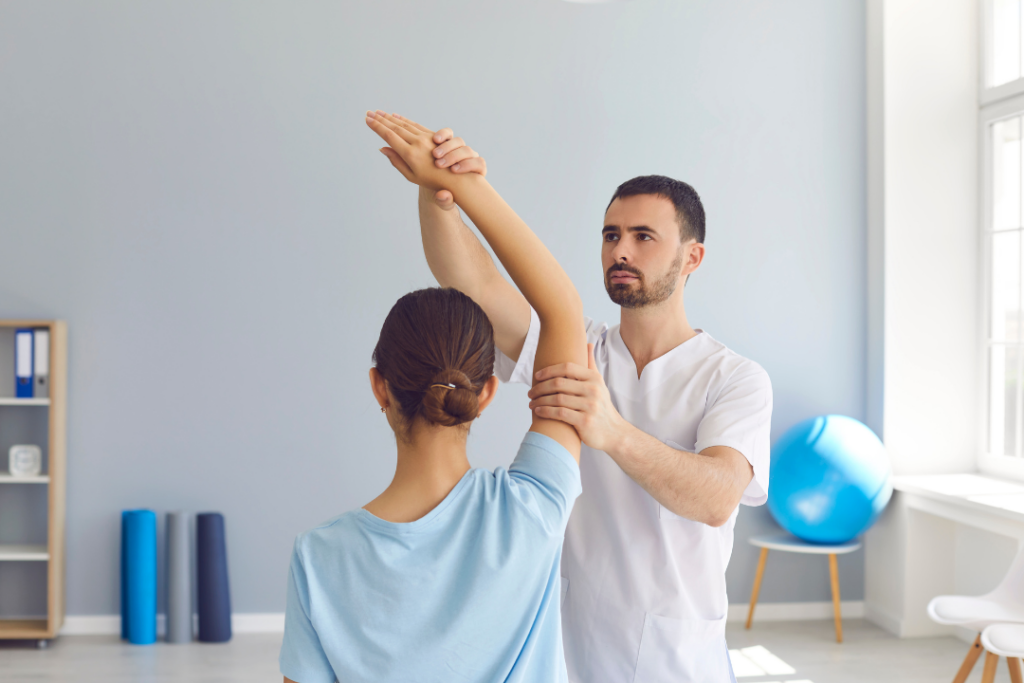
Aaron Robinet offers a free consultation to help you explore whether your shoes, movement patterns, muscle weakness, joint restrictions, or daily habits may be contributing to your pain. Instead of guessing, you can get clear direction, practical next steps, and a plan built around how you move. Contact Aaron Robinet today: Aaron@aaronrobinet.com or call (916) 293-1830 for a free consultation and learn whether your shoes are helping you—or quietly creating more problems than they solve.
Book Your Free Consultation: If you are not sure whether your shoes are helping or hurting, Aaron Robinet can help you find out. Schedule a free consultation to explore what is really driving your pain and discover practical steps to move better, feel stronger, and stop guessing. Call or text (916) 293-1830.
Taking the time to understand what your body needs now can help you make better choices, move with more confidence, and avoid chasing temporary fixes that never fully solve the problem.
Comments are closed