Pain can show up even when there was no fall, accident, or obvious injury. Here’s why and what you can do next.
Have you ever woken up, reached for a coffee mug, lifted your arm to put on a shirt, or turned the steering wheel and thought, “Why does my shoulder hurt? I didn’t do anything.” You are not alone.
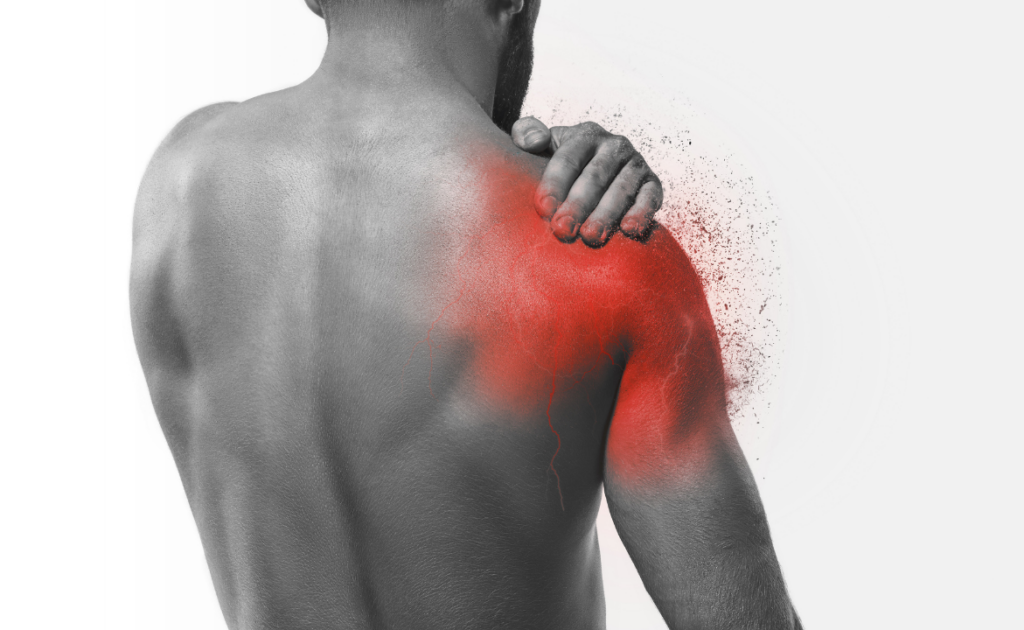
Shoulder pain, back pain, hip pain, knee pain, and ankle discomfort often develop gradually, not from one dramatic moment, but from small movement problems that build up over time.
Musculoskeletal pain is extremely common. Research has found that many adults experience musculoskeletal pain during their lives, and low back pain remains a leading cause of disability worldwide.
The good news is that pain without a clear injury is often understandable and with the right assessment, there may be a practical path forward.
Pain Without an Injury Is Still Real
When pain starts “out of nowhere,” it does not mean it is all in your head. It usually means the cause is less obvious than a fall or collision. Your body may be reacting to repeated stress, stiffness, weakness, posture habits, limited mobility, or movement patterns that are no longer working well.
For example, reaching overhead may suddenly hurt because your shoulder has been compensating for tightness in one area and weakness in another. Getting out of a chair may irritate your hip or knee because your body has learned to shift load unevenly. Bending forward may bother your low back because nearby joints and muscles are not sharing the work the way they should.
A Common Culprit: Muscular Imbalance
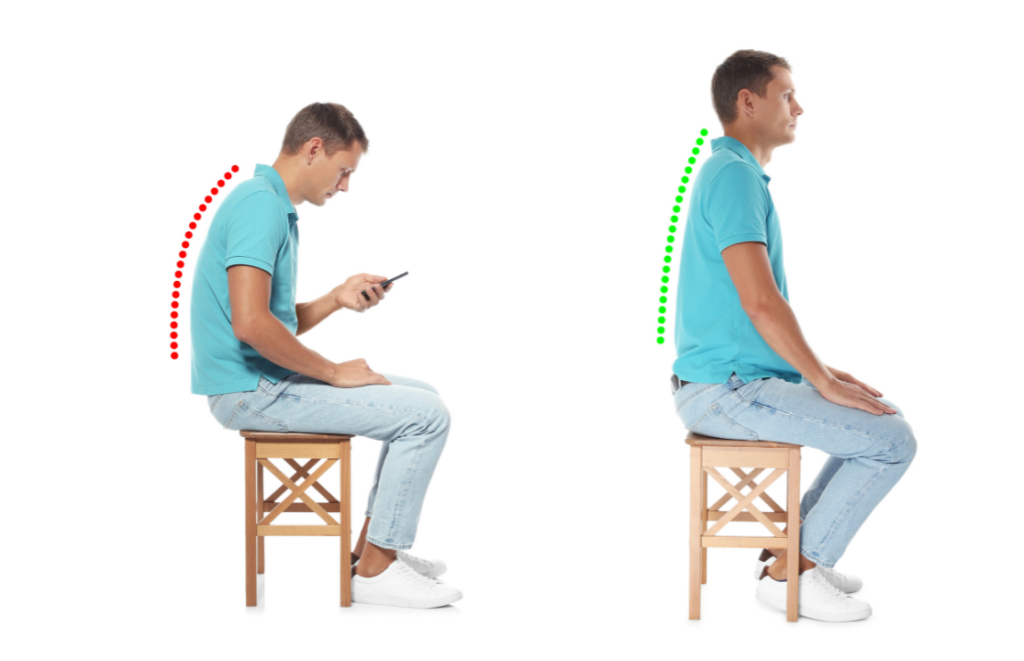
One common reason pain develops gradually is muscular imbalance. This happens when one muscle or muscle group becomes tighter, more dominant, or overworked, while the muscles on the opposite side become lengthened, underactive, or weaker than they should be.
When muscles are out of balance, the joint they control may stop moving in its best alignment. That can lead to irritation, pinching, restricted motion, reduced strength, and compensation in nearby areas. Over time, those small changes can turn into daily pain.
Why Joint Alignment Matters
Your joints are designed to move smoothly. In simple terms, a healthy joint should stay centered as it bends, rotates, reaches, or carries weight. When the muscles around a joint are working together, the joint has a better chance of moving with less friction and less strain.
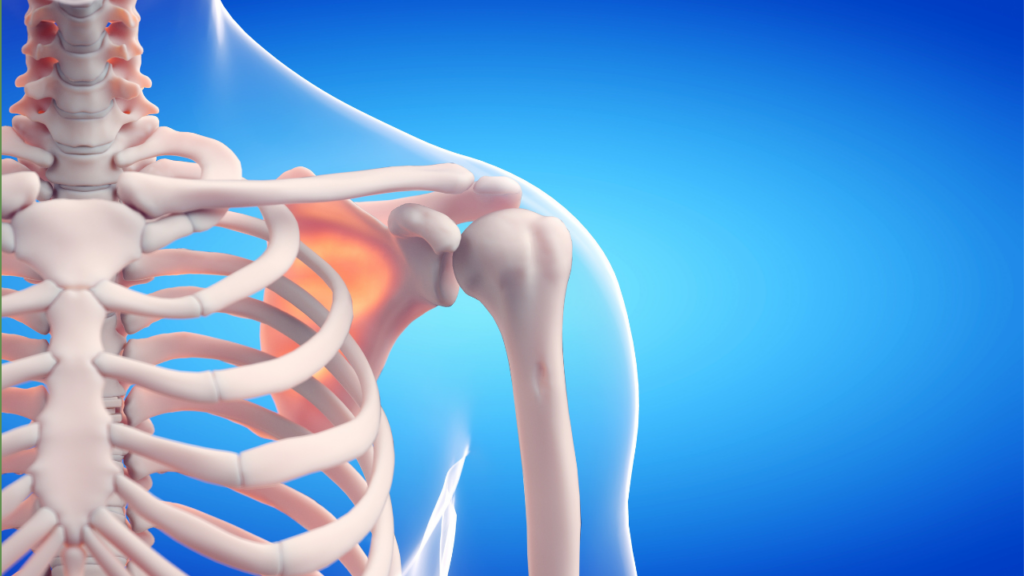
In the shoulder, for example, the upper arm bone should move in a balanced relationship with the shoulder blade. When that relationship changes, you may feel pinching, aching, catching, weakness, or discomfort when reaching overhead. The same idea applies to the hip, knee, ankle, and spine: when alignment and muscle support change, pain can follow.
Signs Your Pain May Be Movement Related
• Pain that appeared gradually instead of after one clear injury
• One side feels tighter, weaker, or less coordinated than the other
• Discomfort with reaching, bending, lifting, walking, stairs, or getting up from a chair
• Pinching, stiffness, aching, or reduced range of motion
• Pain that improves temporarily but keeps coming back
If your pain is severe, follows a fall or accident, includes numbness or major weakness, or is associated with chest pain, shortness of breath, fever, unexplained swelling, or other concerning symptoms, seek medical care right away.
A Simple First Step You Can Try
A helpful starting point is to pay attention to asymmetry. Move gently through a full-body stretching routine and notice which areas feel tighter, more restricted, or less comfortable from one side to the other. If your right shoulder, left hip, or one side of your back consistently feels different, that information matters.

Focused stretching for the tighter areas may help, but stretching alone is not always enough. If weakness, poor control, joint positioning, or compensation is part of the problem, you may need a more complete plan that includes mobility, strengthening, and movement retraining.
Stop Guessing and Get a Clear Plan
You do not have to guess your way through shoulder pain, back pain, hip pain, knee pain, ankle pain, or recurring stiffness. A comprehensive physical assessment can help identify the tightness, weakness, movement habits, and compensations that may be driving your symptoms.
Aaron Robinet can help you understand what your body is telling you and build a practical plan to move better, feel better, and get back to doing what you love.
Ready to find out why you hurt? Contact Aaron Robinet today to schedule a consultation.
Call or Text: (916) 293-1830
Email: Aaron@aaronrobinet.com

About the Author: Aaron Robinet is a Personal Trainer and Integrative Movement Specialist focused on corrective exercise, injury recovery, and holistic health transformation. With advanced training as a CHEK Integrative Movement Science Practitioner Level 2, CHEK Holistic Lifestyle Coach Level 3, and NASM Corrective Exercise Specialist.
Aaron helps clients identify the root causes of movement dysfunction, postural imbalance, chronic pain, and performance limitations. His approach blends detailed functional assessment, personalized corrective exercise programming, lifestyle coaching, and stress, sleep, and recovery strategies to support lasting change. Known for a science-informed and compassionate coaching style, Aaron empowers clients to move better, recover stronger, and build sustainable vitality from the inside out.
Comments are closed