Next year will mark 30 years that I have been in the fitness industry. In this time, I have seen many changes, in the industry and with myself (personally and professionally). I have trained many different populations during my time in the industry ranging from kids as young as 8 years old, to seniors in living in a retirement home.
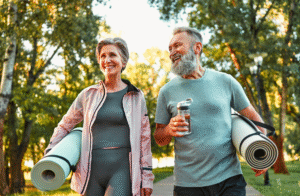
I’ve worked with all groups from kids to seniors!

During this time I have also worked towards many personal fitness achievements throughout the years as well. I have had many ups and downs along the way. I have successfully worked to lose my own excess weight (going from 275 pounds at my heaviest – back to 205 pounds which is my high school weight).

And I trained for an Ironman triathlon which was a major failure. I have completed three marathons, a few more half marathons and several 5k and 10k runs. I have worked to overcome relatively minor low back pain (as compared to those with more serious injuries). I have also worked on rehabilitating a neck injury I suffered several years ago.
A few years ago when I was asked what I’m now training for, (at that time) I wasn’t training for anything specific. So my answer at that point was, “I’m training for life.” I did not mean for this to be dismissive in any way. In fact, I am now doubling down on what was a passing statement at that time. So, “I am currently training for life.”
To specify, the training I’m currently doing for my own fitness is for my next 10 years, 20 years and hopefully beyond! This focus changes which exercises and variables I choose as I make adjustments to my own routine.
My Balance and Stability
I have now shifted my focus to include improving my balance and stability. At this point in my life, I am not at great risk of falling. In fact, I currently have really good balance. However, as I’m reaching my mid 50’s, losing balance and stability is a really good possibility if I don’t put some time and effort into working on this crucial aspect of health and fitness.
Why this matters to you?
One key area that I have also changed is which type of clients I am looking for and how I’m working to better serve these clients.
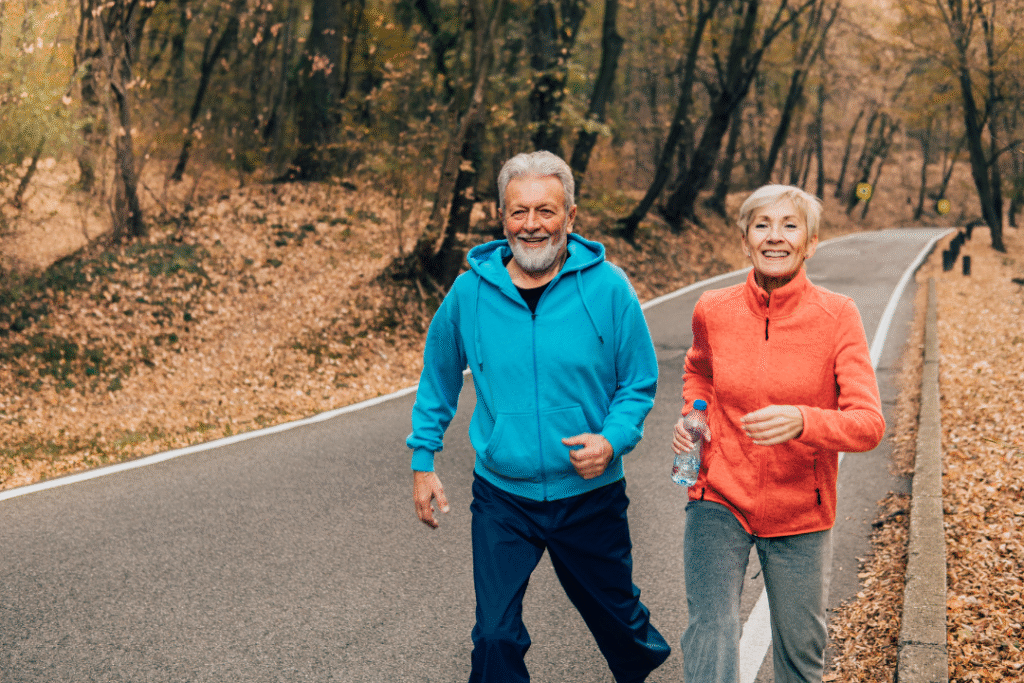
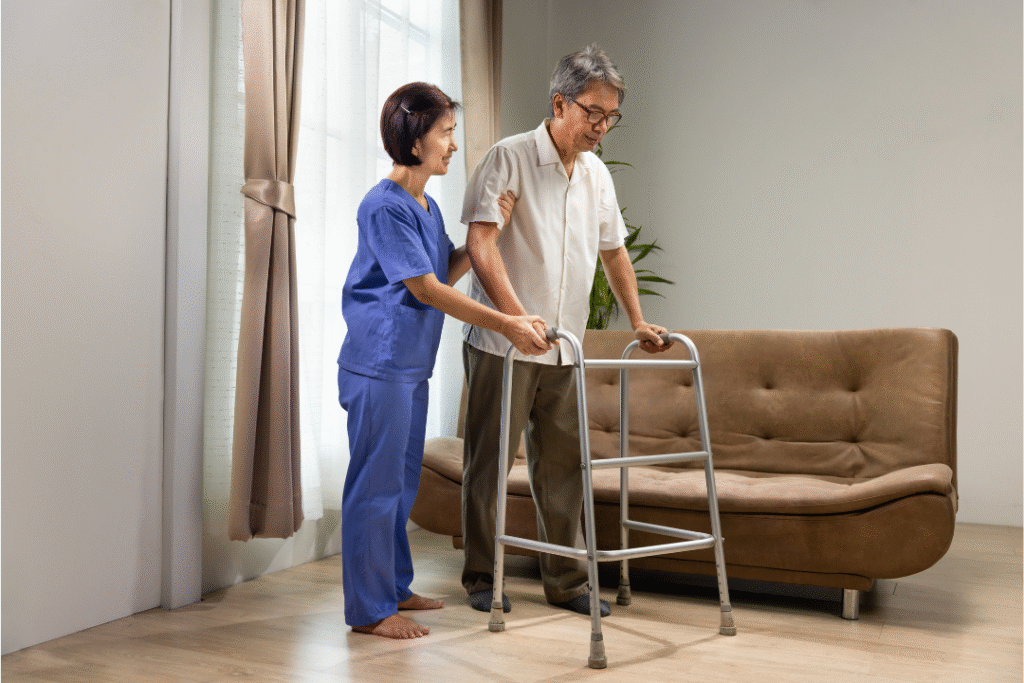
As I have researched what challenges people face as they age, I have realized what a challenge balance and stability is for a significant percentage of the population. About 36 million older adults (65+) experience falls annually.
1 in 4, or approximately 14 million, older adults report falling each year. Not every fall is devastating. But once a person falls or even comes close to falling, this can significantly reduce their confidence with normal daily activities. When a person loses some of their confidence of maintaining their balance in normal daily life, the decline can occur rather quickly. The result of not being as balanced and stable is a loss of their independence.
The Solution:
It can seem like the solution to losing balance and stability is a major undertaking, but it doesn’t have to be. There are many reasons that a person can suffer a decline in their ability to maintain balance and stability. And a focused approach to their specific issue(s) needs to be administered. But often, with some small consistent efforts, most people can see a significant improvement to their ability to balance and stabilize their body leading to a resurgence in their confidence which allows them to recapture their independence.
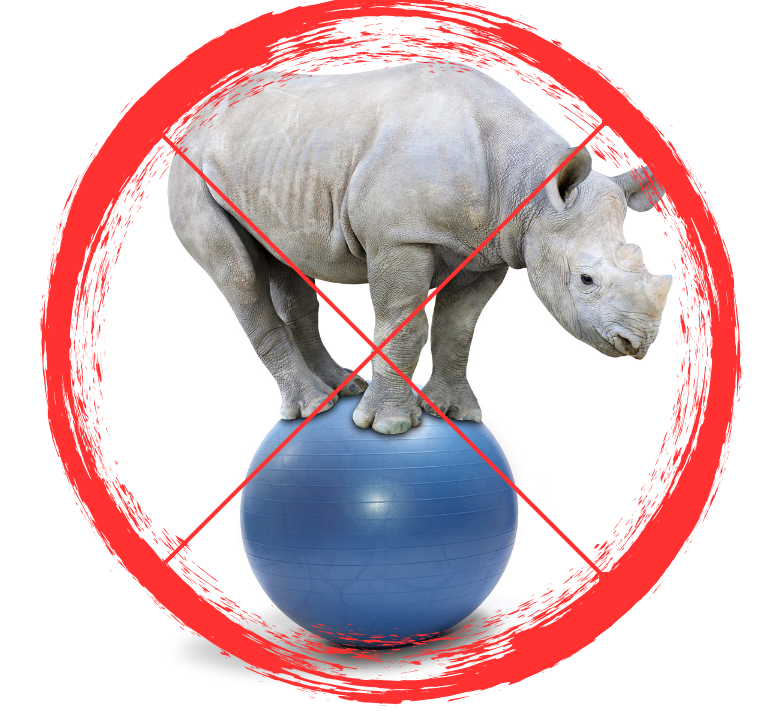
You don’t have to go to extremes to improve your balance & stability!
Where to Start:
The key is to start with what you are comfortable with and build from there. The following exercises are a good starting point. To make any of these exercises easier, increase your base of support, and/or reduce the range of motion. To make any of these exercises more challenging, decrease your base of support, increase your range of motion and/or close your eyes.
Note: closing your eyes, even on an exercise that you feel pretty stable to ramp up the challenge quite a bit. Proceed with caution!
The Exercises:
Single Leg Touching Nose
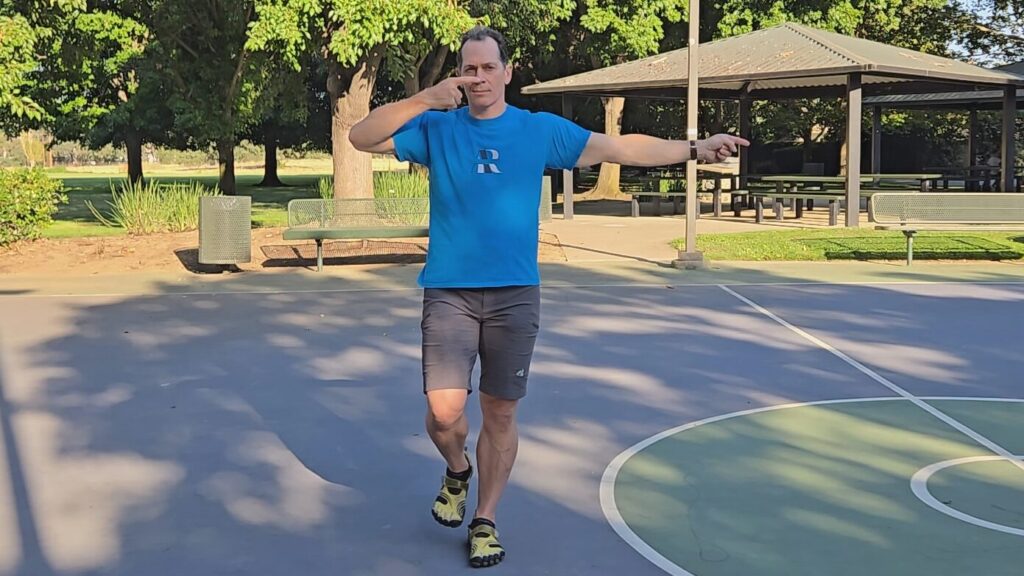
Balance on one leg with your arms extended to your sides. Touch your index finger from one side to your nose and repeat on the other side.
Single Leg – Opposite Arm Extend and Reach
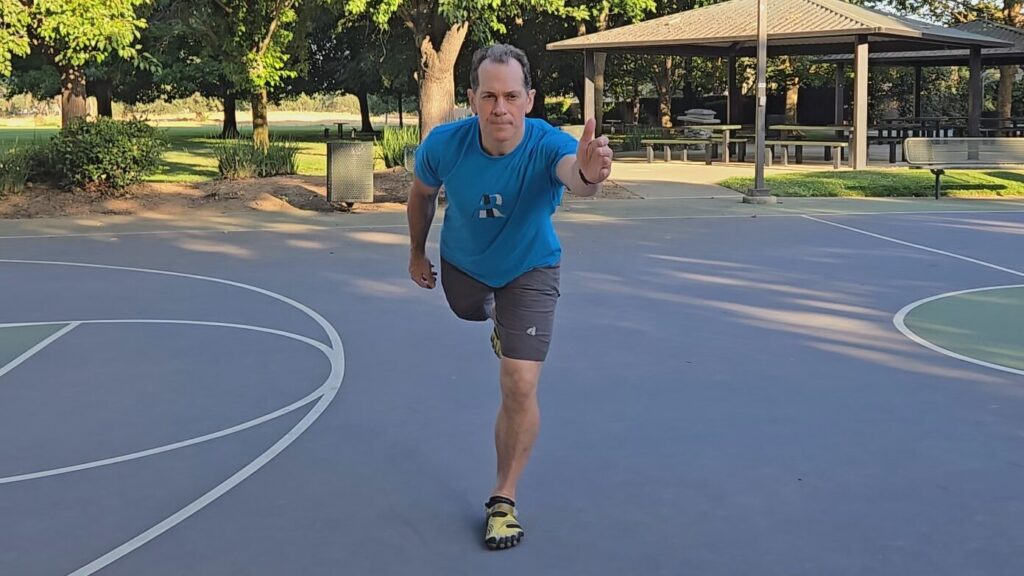
Balance on one leg while extending your arm on that side. Simultaneously extend the opposite leg behind you and hold.
Forward Stepping Lunge – Lift and Hold Stepping Knee
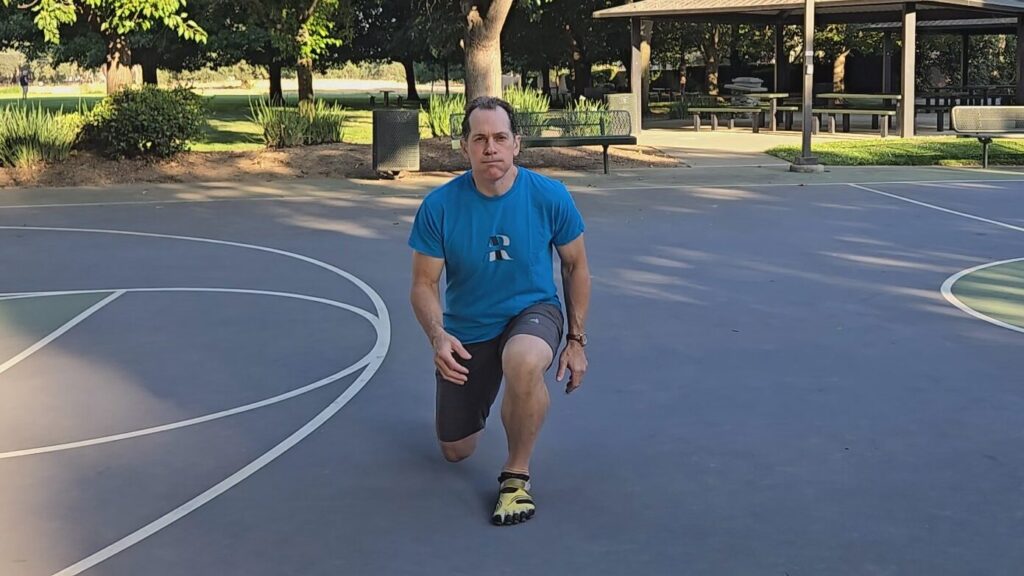
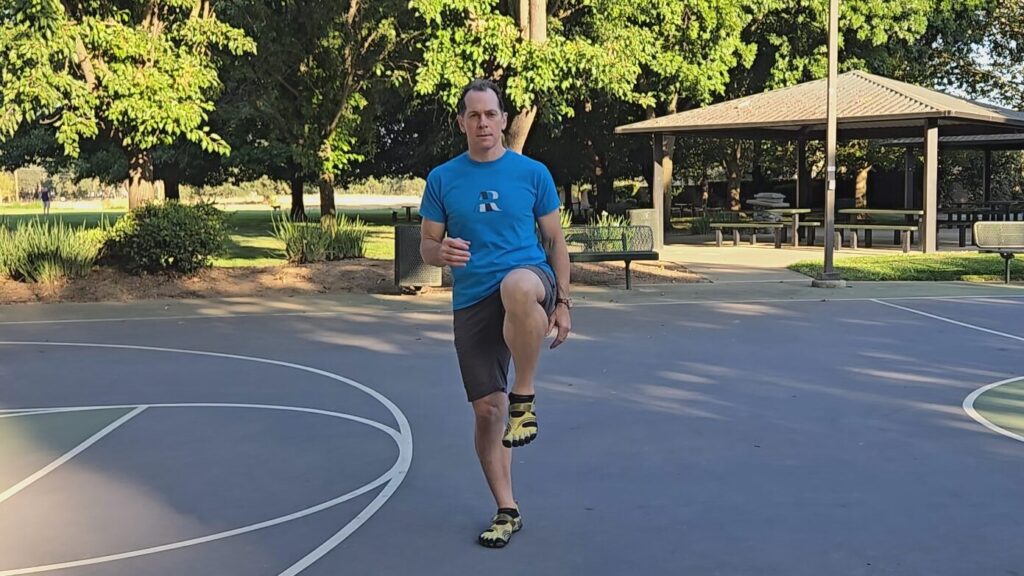
Start with both feet together. Step forward into a lunge. While bringing your leg back, raise that knee up into a hold.
Forward Hop into Single Leg Balance and Hold
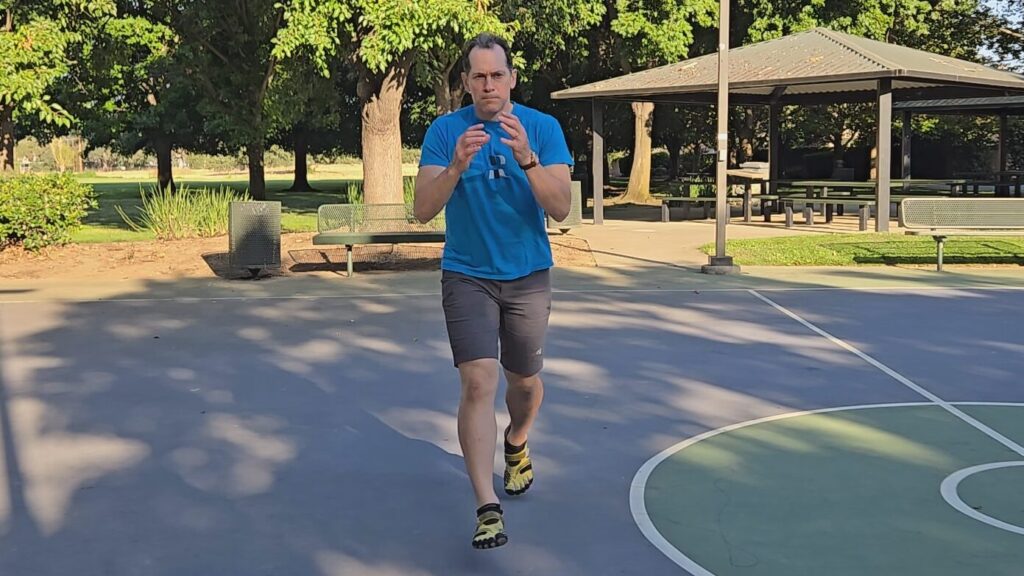
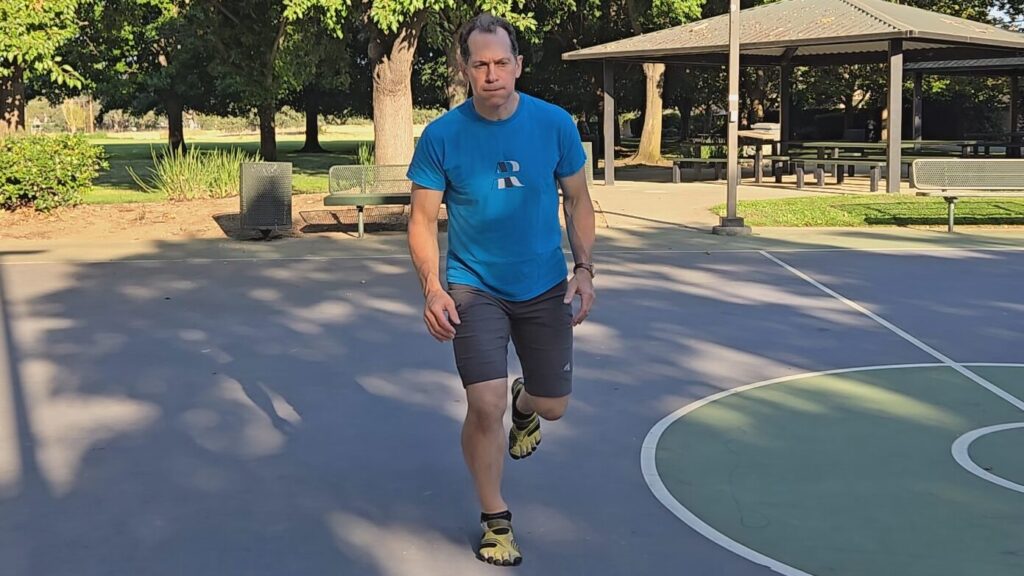
Start with both feet together. Hop forward and land on one leg and hold. Step back and repeat on the same side.
Your Next Steps:
To increase your results, it’s good to get some extra help. I offer balance and stability training starting with an assessment to determine the best initial starting point to allow you quick and lasting results.
The training program can cover many aspects that can adversely affect your balance and stability including:
- Vertigo
- Lack of strength
- Restricted range of motion
- Poor postural alignment
- Reduced vision
- Weak core strength
- Pain and injury issues
- Poor sleep
If you’re looking to find out if my balance and stability training program is right for you, sign up for your complimentary consultation. You can text/call me at (916) 293-1830 or email me at Aaron@AaronRobinet.com. Or schedule your appointment here:
Comments are closed